25 November 2026
Carpet Cleaning Greeley CO for Spot and Stain Prevention
Presented by @josuelgvg305

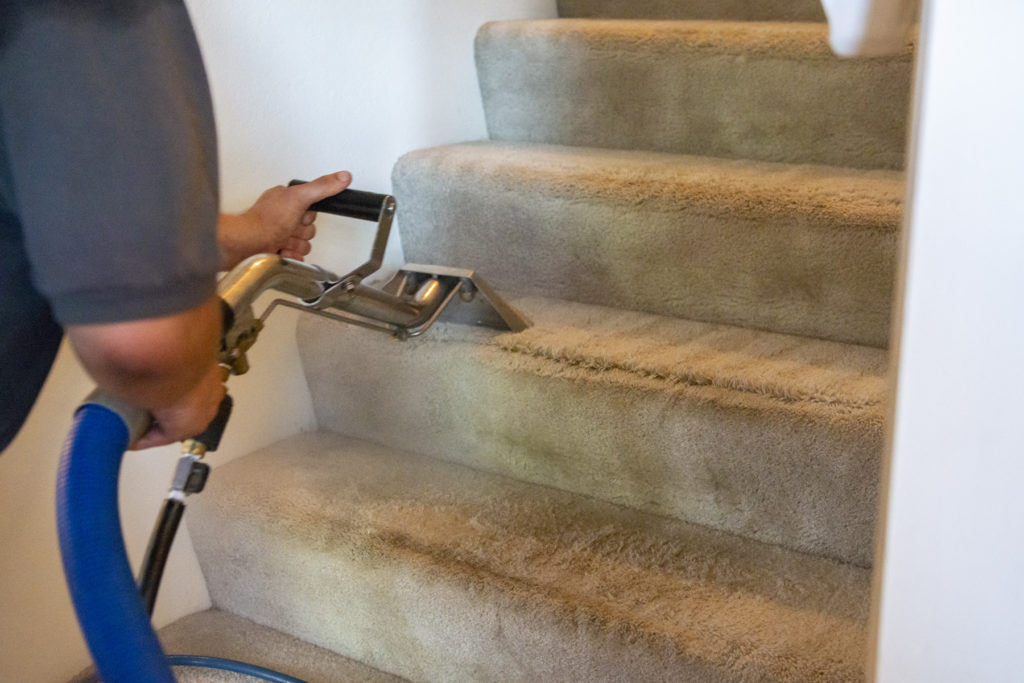
Carpet does not usually fail all at once. It fades a little near the hallway, stiffens slightly under the dining table, and picks up one small shadow after another until the whole room looks tired. Most homeowners notice Carpet Cleaning Greeley CO the big spill, but the more expensive damage often comes from the small, repeated incidents that seem harmless at the time. A few drops of coffee. Wet shoes after a Front Range snow. A pet accident that appears cleaned up but keeps working down into the backing.
That is why spot and stain prevention matters more than most people realize. Good carpet care is not just about responding when something goes wrong. It is about reducing the chances that ordinary living turns into permanent discoloration, odor, or wear. In a place like Greeley, where dry conditions, windblown soil, winter slush, and busy households all play a role, prevention is less about perfection and more about strategy.
Homeowners looking into Carpet Cleaning Greeley CO services often start with visible spots. What usually helps them most is a broader plan, one that combines routine maintenance, smart spill response, and periodic professional cleaning timed before the carpet crosses the point where stains set for good.
Why carpets in Greeley take a beating
Local conditions matter. Carpets in northern Colorado deal with a particular mix of challenges. Dry air keeps some spills from lingering on the surface, which can be helpful in the short term, but it also lets fine dust settle deep into the pile. Wind carries grit indoors, and that grit acts like sandpaper under shoes. Winter adds deicing residue, moisture, and tracked-in grime. Spring can bring mud. Summer often means more foot traffic, open doors, and kids moving in and out of the house all day.
In homes with pets, the problem is more layered. Animal oils collect gradually, especially in favorite resting spots. Small accidents can wick outward and downward even when the top fibers seem clean. In houses with young children, the most common trouble spots are predictable: juice near the sofa, snacks in bedrooms, and mystery smudges along traffic lanes where little hands steady themselves against walls and furniture.
These are ordinary living conditions, not signs of neglect. The issue is that carpet fibers do not distinguish between one-time accidents and daily use. They only register what settles into them. Prevention works when it accounts for how people actually live.
The difference between a spot and a stain
People often use the words interchangeably, but they are not quite the same. A spot is material on the carpet that has not fully bonded or altered the fiber. A stain is discoloration that remains after the original substance is removed, either because dye transferred, residue attracted soil, or the spill chemically changed the carpet.
That distinction affects timing. If a red drink lands on a synthetic carpet and is blotted quickly, you may be dealing with a removable spot. If it sits for several hours, gets rubbed in, and then receives the wrong cleaner, it can become a stain that requires specialized treatment and still may not come out completely.
I have seen this play out in homes where someone did almost everything right except the one part that mattered most. They reacted quickly, but they scrubbed hard with a dark towel. Or they used too much soap, which left residue and created a new dirty patch a week later. Prevention is not only about speed. It is about using the right response before the problem deepens.
The first ten minutes matter more than most products
When a spill happens, the instinct is to attack it. That is understandable and often counterproductive. Aggressive scrubbing pushes liquid deeper, frays fibers, and spreads the affected area. The calmer approach usually works better.
Here is the response method that prevents many fresh spills from becoming permanent stains:
- Blot immediately with a clean white cloth or plain paper towel, pressing rather than rubbing.
- Work from the outside edge toward the center so the spill does not spread.
- Use a small amount of water if appropriate, never enough to soak the carpet or pad.
- Repeat with dry sections of the cloth until transfer slows significantly.
- If the spot remains, use a carpet-safe cleaner matched to the type of spill, then blot again and dry thoroughly.
White cloth matters more than people expect. Colored towels can bleed. Patterned rags make it hard to judge transfer. Overwetting is another common mistake. Moisture that reaches the pad can create a larger ring, loosen backing adhesives, or encourage odor. In severe cases, especially with pet accidents, that hidden moisture becomes the real problem.
Some spills also have their own personality. Coffee leaves tannins. Wine carries dye. Grease from food or lotion clings differently than juice. Pet urine can shift chemically as it dries, which is why the odor sometimes intensifies a day later rather than disappearing. The sooner the substance is identified, the better the odds of keeping it from turning into a long-term stain.
Residue is the silent culprit
A carpet can look cleaner right after a quick spot treatment and still be on its way to getting worse. Residue is often to blame. Soap, detergent, and some store-bought stain removers leave behind a slightly sticky film. Once that happens, the area attracts fresh soil faster than the surrounding carpet. Homeowners then assume the original stain came back. In reality, the spot may be gone, but the residue is now collecting dirt.
This is one of the most common reasons people end up searching for Carpet Cleaning Greeley CO after trying to fix a small issue themselves. The original spill was manageable. The aftereffects were not.
A good rule is simple: use less product than you think you need, and remove as much of it as possible. If you can feel stiffness after the area dries, there is a fair chance something was left behind. That does not always mean damage is permanent, but it often means the area will need a more complete rinse and extraction than household tools can provide.
High-traffic lanes do not stain the same way as isolated spills
One of the biggest misunderstandings in carpet care is assuming every discolored area is a stain. Traffic lanes often look darker because embedded soil has compacted into the pile. Hallways, stairs, and paths from garage to kitchen can appear permanently dingy even when there was no major spill involved.
That matters because prevention for Carpet Cleaning Greeley CO traffic lanes is different from prevention for a dropped glass of tea. With spills, the issue is immediate transfer. With traffic lanes, the issue is accumulation and abrasion. Tiny particles settle in, shoes grind them against the fibers, and the pile loses its ability to reflect light evenly. The carpet starts looking older than it is.
This is where entry habits pay off. A quality mat at exterior doors helps, but only if it is long enough for several footsteps and kept clean itself. A decorative doormat that is always saturated with dirt does not reduce soil load much. Removing shoes indoors helps significantly, especially during wet or snowy periods. In homes where that is not realistic, targeted maintenance near entryways makes a visible difference.
Professional cleaning is preventive, not just corrective
Many people wait until the carpet looks bad enough to justify a service call. By that point, some wear patterns and discoloration are harder to reverse. Professional cleaning works best as a preventive measure performed before the carpet is visibly failing.
The reason is mechanical as much as cosmetic. Deep extraction removes abrasive soil that vacuums leave behind. It also flushes residues from previous spot treatments and addresses moisture-soluble and oil-based contaminants more thoroughly than surface cleaning can. When that happens on a reasonable schedule, fibers stay more resilient, colors stay clearer, and small spots are less likely to become recurring trouble areas.
How often is reasonable depends on the home. A quiet household without pets might go longer between full cleanings. A family with children, dogs, and heavy daily traffic often benefits from more frequent service. There is no honest one-size-fits-all answer. In my experience, the right interval usually has more to do with lifestyle than square footage. Two adults in a large home may generate less carpet stress than one active family in a modest ranch.
For Carpet Cleaning Greeley CO clients, seasonality also matters. Late winter and early spring are common times to restore carpets after months of tracked-in grime. Early fall can be another smart window, especially before indoor living ramps up again and holiday traffic begins.
What stain protection can and cannot do
Stain protection treatments can be useful, but they are often misunderstood. They do not make carpet spill-proof. What they usually do is buy time. Treated fibers resist immediate absorption, which can give you a better chance to blot a spill before it sets. That can be valuable in a busy home, especially in dining areas, family rooms, and bedrooms used by children.
Still, protectants have limits. They wear down in high-traffic areas and can be reduced by repeated cleanings or harsh chemical use. They are also not magic against every substance. Oily materials, dyes, and pet-related accidents may still require prompt attention. Some carpets come with factory-applied protection, while older carpets may benefit from reapplication after professional cleaning. The right decision depends on the carpet type, its age, and how the room is used.
I usually advise homeowners to think of protectant the way they think of sealing grout or waxing a vehicle. It is a support layer, not a substitute for maintenance. If it helps a spilled sports drink stay near the surface long enough to blot out cleanly, it has done its job. If the spill sits overnight, the product has far less to work with.
The rooms that need the most attention
Not every room needs the same plan. Bedrooms often age more slowly unless they double as snack zones or pet hangouts. Formal living rooms may look great for years simply because they are underused. The real pressure points tend to be practical spaces, the ones people move through without thinking.
A few areas almost always deserve extra prevention:
- entry paths from garage, front door, and backyard
- dining spaces where food and drink are routine
- family rooms with pets, recliners, and frequent lounging
- children's rooms and play areas
- stairs, especially near landings and turns
These zones benefit from more frequent vacuuming, faster spill response, and earlier professional attention. If a budget only allows spot-focused service or partial-room treatment at first, these are usually the places to prioritize.
Vacuuming is less glamorous than stain removers, and more important
People like products that promise rescue. Vacuuming, by comparison, feels ordinary. Yet for stain prevention and appearance retention, it does more than almost any bottle kept under the sink.
Soil in carpet is not just visible crumbs and lint. The finer particles are the ones that matter most because they sink deeper and cut fibers over time. Once those fibers are scratched and dulled, no cleaning method can fully restore their original texture. The best defense is removing dry soil before it embeds.
Technique counts. Slow passes are better than quick ones. Overlapping sections catch more debris. Vacuum height should match the carpet type, because a setting that is too low can stress the pile while still missing embedded grit. Bagless machines need regular filter and canister maintenance or they lose suction without the user realizing it.
Homes with pets need special attention along edges, under furniture fronts, and in corners where hair accumulates. High-traffic hallways may need attention several times a week while lower-use rooms can go longer. That is not overkill. It is cheaper than replacing carpet early.
Pet spots require a different level of honesty
Pet accidents are where optimism gets homeowners into trouble. Many people believe they solved the problem because the surface looks acceptable and the smell fades temporarily. Then humidity rises, the odor returns, or the pet starts revisiting the same spot.
The challenge is penetration. Liquid can move through face fibers into the backing and pad, sometimes even affecting the subfloor beneath. Surface cleaning rarely reaches all of that. Worse, heavily fragranced cleaners may mask the issue while leaving the source active.
This is where judgment matters. A fresh, small accident caught quickly may respond well to immediate blotting and a proper enzyme-based treatment. An older or repeated accident is another story. If odor persists after drying, or if staining reappears as a yellow or brown shadow, deeper treatment is usually needed. In severe cases, pad replacement or subfloor sealing becomes part of the repair. That is not the answer every homeowner wants, but it is often cheaper than months of unsuccessful spot cleaning and repeat contamination.
Choosing cleaning methods without getting lost in marketing
Most homeowners do not need to become experts in every carpet cleaning system, but a little clarity helps. The best method depends on carpet type, soil level, drying conditions, and the nature of the spotting issue. Hot water extraction is widely used because it can rinse and remove soil deeply when done correctly. Low-moisture methods can be useful in certain maintenance situations or where rapid dry times are critical. Neither category is perfect in every case.
What matters more than the buzzwords is execution. Was the carpet pretreated appropriately. Was enough soil suspended before extraction. Were spots identified individually instead of treated with a one-chemical-fits-all approach. Was residue minimized. Was drying promoted to prevent wick-back and odor.
Good service feels less like a sales script and more like a diagnosis. A professional should be able to explain why one room needs a certain approach while another does not. They should also be honest when a mark is likely wear, bleach loss, or permanent dye damage rather than a removable stain. That kind of honesty saves homeowners from false expectations.
Prevention habits that work in real homes
Perfect rules rarely survive real life. The best prevention habits are the ones a household can actually maintain. A family with school-age kids may not manage spotless carpets, but they can keep stains from setting if they have a practical routine and realistic expectations.
The habits below tend to produce the biggest payoff without making the house feel like a museum:
- keep clean white cloths and a carpet-safe spotter in an easy-to-reach place
- vacuum entry lanes and common paths more often than the rest of the home
- address spills immediately, even if the full cleanup has to wait until later that day
- use runners or area rugs in the heaviest wear zones
- schedule professional cleaning before the carpet looks obviously dirty
That last point is the one people resist most. Waiting for visible dirt means the carpet has already been holding much more than the eye can detect. By then, prevention has turned into recovery.
When a stain is not really a cleaning problem
Sometimes the mark in the carpet is not removable because the issue is no longer soil. Furniture rust can alter fibers. Certain acne medications and household bleaches can strip color. Sun fading near sliding doors changes dye over time. In older carpets, wear can expose the backing tone or flatten the pile so permanently that the area always looks darker or lighter depending on angle.
This matters because homeowners can spend a lot of money chasing improvement that chemistry or wear will not allow. A reputable Carpet Cleaning Greeley CO provider should be able to distinguish between recoverable staining and permanent damage. That conversation may not be exciting, but it is useful. It lets the homeowner decide whether cleaning, repair, partial replacement, or simply better prevention going forward is the right next step.
The long view on carpet life
Carpet lasts longer when prevention is treated as part of normal home care rather than emergency cleanup. That means understanding the local conditions, responding properly to fresh spills, keeping residue out of the fibers, and using professional cleaning before embedded soil and recurring spots become the new normal.
Most stain problems do not start as disasters. They start as routines, shoes at the same doorway, snacks in the same seat, a damp dog crossing the same path every day. The good news is that prevention works the same way. Small habits repeated consistently protect the carpet far better than occasional deep efforts after visible damage appears.
For homeowners in Greeley, the goal is not preserving a showroom floor. It is keeping a lived-in home clean, comfortable, and free from the kind of spotting and staining that shortens carpet life and makes every room look more worn than it should. Done well, preventive carpet care does exactly that.
TLC Carpet & Air Duct Cleaning
6380 W 10th St, Suite 7
Greeley, CO 80634
(970) 352-8176
FAQ About Carpet Cleaning Greeley CO
How much should a carpet cleaner cost in Greeley?
Pricing depends on the number and size of rooms, carpet condition, and add-ons such as stain treatment or stairs. Ask for an itemized quote.
How long will my carpet take to dry after cleaning?
Drying time varies with the carpet, cleaning method, humidity, and airflow. Ask the technician for an estimate and when to move furniture back.
How do I prepare my home for carpet cleaning?
Pick up small items, clear a path for equipment, and point out stains or delicate fibers. Ask the cleaner which furniture they can move and what needs to be moved before the visit.